
Exhibition highlight: I, Gustave Courbet
Exhibition highlight at Museum Folkwang: breathtaking landscapes, striking portraits and a rebellious artist – a unique Courbet retrospective in Essen from 17 July 2026
Museum Folkwang is dedicating a major retrospective – I, Gustave Courbet. Painter and Rebel – to one of the most influential artists of the 19th century. This major exhibition will be held from 17 July to 8 November 2026, and tickets are already available online.
The Essen exhibition focuses on Gustave Courbet’s (1819–1877) influence on modern art. Courbet was not only an artistic innovator, but also a lively and politically engaged figure. He rejected the idealised aesthetics of his time and instead depicted the lives of ordinary people and social reality in his art.
Courbet viewed painting as a form of resistance: his approach to traditional pictorial genres and his painting technique, which often allows the material presence of the paint to shine through, make him one of the most important exponents of realism. Courbet grew to became a role model for subsequent generations of artists far beyond France’s borders.
The extensive exhibition in Essen features around 90 works by Courbet, including major pieces such as Le Fou de peur (1844), L’Après-dînée à Ornans (1849), Jo, la belle Irlandaise (1866) and L’Homme à la pipe (1849). Spanning some 900 square metres, the exhibition brings together loans from international museums and collections, including Musée d’Orsay in Paris, Metropolitan Museum of Art in New York, Kunstmuseum Bern, Alte Nationalgalerie in Berlin, Leopold Museum in Vienna and Musée Fabre in Montpellier.
In the summer and autumn of 2026, Essen will become a major international hub for exploring the work of Gustave Courbet and 19th-century realism. Many of the works of display, including L’Origine du monde (1866), have rarely been loaned out before or have never been seen in Germany – some are scarcely accessible to the public, even in France.
For Museum Folkwang, the retrospective presents a unique opportunity: it ties in with the museum’s significant collection of French art. For example, Cézanne’s The Bibémus Quarry from the Folkwang Collection in Essen will be shown alongside works by Courbet. The exhibition thus provides a first-hand opportunity to witness Courbet’s influence on the development of modern painting.
Another aspect shown in Essen is the relationship between Courbet’s painting and the emerging photography of his time. Historical photographs by important French photographers such as Gustave Le Gray or Henri Le Secq – from Museum Folkwang’s internationally renowned photographic collection – are juxtaposed with Courbet’s landscapes, seascapes and still lifes. By guiding the visitor and providing insights into artistic working methods, the exhibition impressively highlights parallels between painting and photography.
The exhibition’s nine sections are devoted to the key stages of the artist’s life and the central themes of his work. It explores key motifs in Courbet’s extensive oeuvre: self-image and the public sphere, social reality, nude depictions as well as landscape, homeland and exile.
Biography of Gustave Courbet
Born in 1819 in the rural region of Franche-Comté, Courbet moved to Paris in 1839. Instead of seeking admission to the state art academy, he attended private academies and continued his education through self-study. From 1844 onwards, he exhibited regularly at the Paris Salon. There, his paintings attracted considerable attention and began to receive recognition. In doing so, he positioned himself in opposition to academic conventions and was consequently criticised and mocked by conservative art critics. In his works, Courbet repeatedly responded to political events and social upheavals in France. Between 1848 and 1855, he produced his groundbreaking, socially critical works; by this time at the latest, it was clear that he viewed art and politics as inextricably linked. A political refugee, Courbet was forced to leave Paris and his homeland in 1873, spending the final years of his life in exile in Switzerland. Many of his later paintings depict scenes from La Tour-de-Peilz and the landscape around Lake Geneva.
Leopold and Folkwang
I, Gustave Courbet. Painter and Rebel is being organised in collaboration with Leopold Museum in Vienna. The exhibition has already attracted over 100,000 visitors during its first run in Vienna; as a summer highlight, it will soon be shown at Museum Folkwang from 17 July onwards. Time-slot tickets for the Essen exhibition can be booked at museum-folkwang.ticketfritz.de.
Under the High Patronage of Federal President Frank-Walter Steinmeier and Emmanuel Macron, President of the French Republic, and the Honorary Patronage of Alexander Van der Bellen, Federal President of the Republic of Austria
Information
I, GUSTAVE COURBET
Painter and Rebel
17 July – 8 November 2026
Press event: Thursday, 16 July, 11 am
Opening: Thursday, 16 July, 7 pm
Main sponsor: E.ON
Sponsors: GENO BANK ESSEN and Bankhaus Bauer
Funded by: Ministry of Culture and Science of the German state of North Rhine-Westphalia
Admission: €16 (regular) / €12 (reduced)
Tickets: museum-folkwang.ticketfritz.de
Guided tours (Visitors’ Centre): +49 201 8845444, info@museum-folkwang.essen.de
The catalogue is published by Verlag der Buchhandlung Walther König, Cologne (price:. € 39,90)
Opening hours:
Tue–Sun 10am–6pm
Thu and Fri 10am–8pm
Closed on Mondays
Press images are available at www.museum-folkwang.de/en
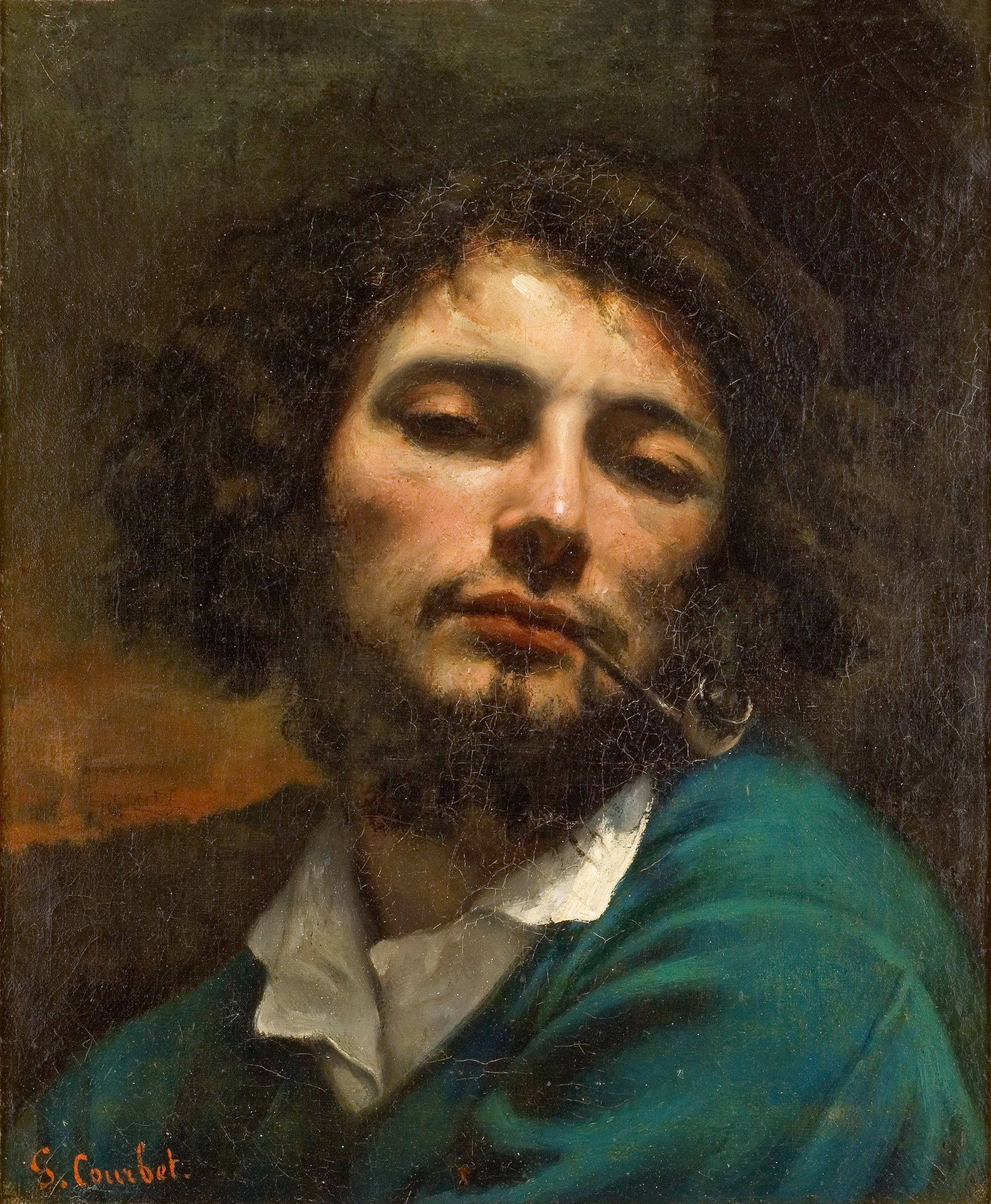
Gustave Courbet
L‘Homme à la pipe, c. 1849
Oil on canvas,
45,8 × 37,8 cm
© Musée Fabre de Montpellier Méditerranée Métropole / Photo: Frédéric Jaulmes
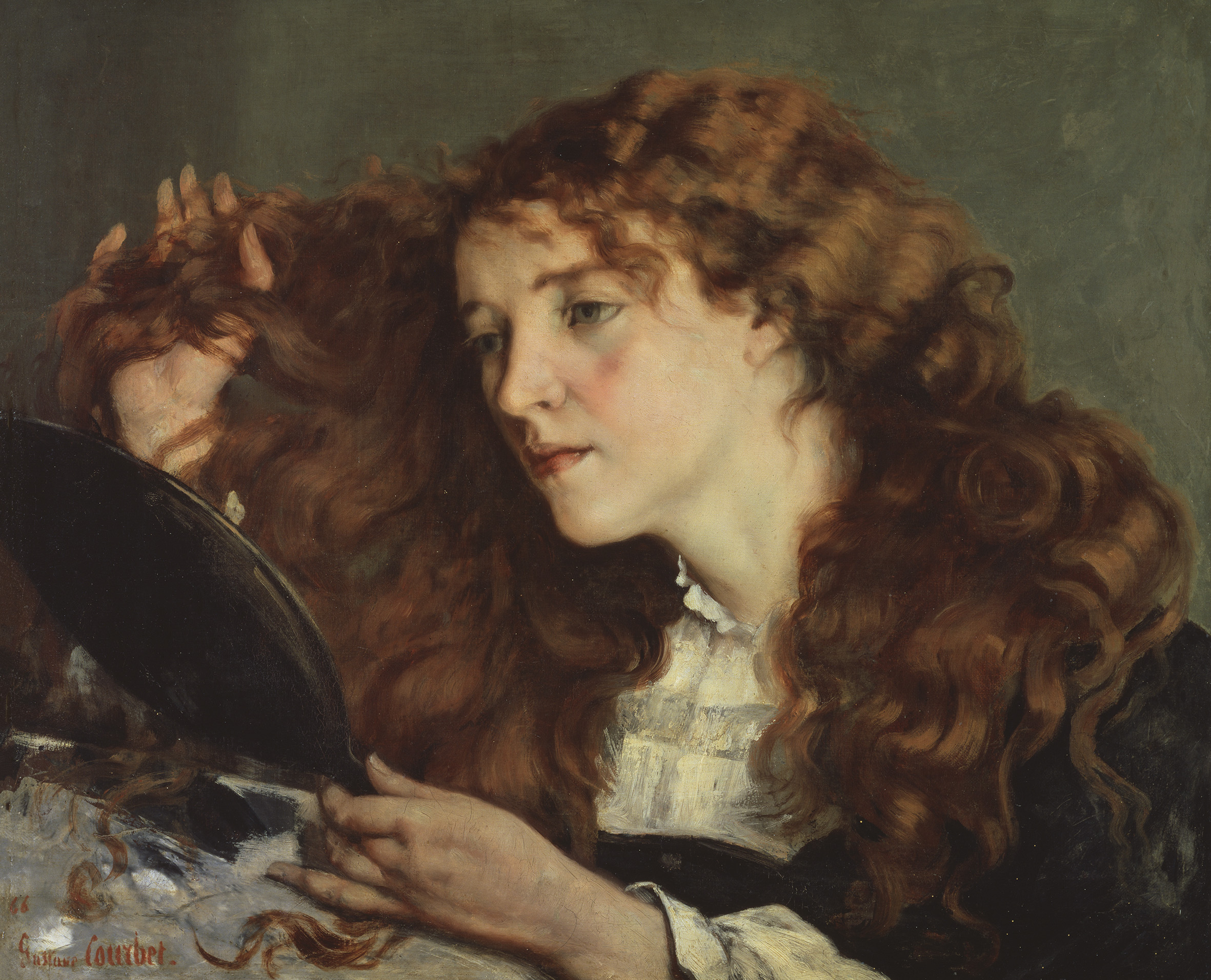
Gustave Courbet
Jo, la belle Irlandaise, 1866
Oil on canvas
54 × 65 cm
© Nationalmuseum, Stockholm
Photo: Nationalmuseum
Share on

Gustave Courbet
L‘Homme à la pipe, um 1849
Öl auf Leinwand
© Musée Fabre de Montpellier Méditerranée Métropole / Foto Frédéric Jaulmes